

What is Urology?
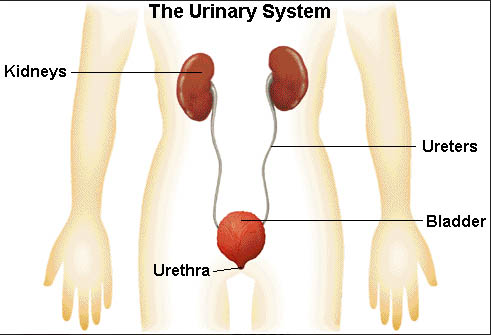
Urology or genitourinary surgery, is the branch of medicine that deals with surgical and medical diseases of the male and female urinary system and the male reproductive organs. Organs which come under the domain of urology include the kidneys, adrenal glands, ureters, urinary bladder, urethra, and the male reproductive organs namely testes, epididymis, vas deferens, seminal vesicles, prostate, and penis.
The urinary and reproductive tracts are very closely linked to each other, and disorders of one of them usually affect the other. Thus a major spectrum of the conditions which are managed in urology exists under the domain of genitourinary disorders. Urology combines the management of medical conditions, such as urinary and reproductive tract infections, with the management of surgical conditions such as benign prostatic hyperplasia, cancers of kidney/bladder or prostate, kidney or bladder stones, congenital anomalies , traumatic injuries, and urinary incontinence.
Some common urology-associated issues include the following:
Kidney- Pyelonephritis, stone, renal cell carcinoma, developmental anomaly
Ureter- Ureteritis, stone, urothelial carcinoma
Urinary bladder- Cystitis, urothelial carcinoma, stone, congenital anomalies
Prostate- Prostatitis, benign hyperplasia (BPH), adenocarcinoma
Urethra- Stricture urethra, Hypospadias, posterior urethral valve
Penis- Erectile dysfuction , cancer, micropenis, phimosis, balano-posthitis
Testes- Epididymo-orchitis, hydrocele, varicocele


0 Comments